I didn’t go to Ubud looking for monkeys, but I found them anyway. Or rather, they found me.
The Ubud Monkey Forest (officially the Sacred Monkey Forest Sanctuary) is one of those places you keep hearing about while backpacking in Bali. “Watch out, they’ll steal your sunglasses,” someone said. “They’re wild! But the forest is really cool.” With all the hype, I wasn’t sure what to expect. But since I was already in Ubud, solo-traveling my way through the island, I figured I’d check it out for myself.
Turns out, it’s not just a forest or a tourist stop. It’s a full-on jungle sanctuary… ruled by monkeys
Save
First Impressions: Walking Into the Jungle
The entrance is super chill, just a ticket booth, some souvenir stalls, and then bam, you’re in. And instantly, everything shifts.
The air gets cooler, the trees tower overhead, and thick roots curl over ancient stone walls like they’re holding the whole place together. It’s hard to believe you’re still in Ubud town. Within minutes, I could barely hear the scooter traffic anymore.
And then, welcome to the wild! The very first monkeys I saw were, quite literally, getting it on in the middle of the path. No shame, no secrecy, just a full public display of monkey freedom. Tourists gasped, giggled, and took out their phones, while the macaques carried on, completely unbothered.
It was a hilarious and slightly chaotic welcome party, but also kind of a perfect reminder: this is their forest. We’re just passing through. Moments later, a little guy leapt from one tree to another, eyeing us with mild interest. From then on, I knew we were guests in their jungle kingdom.
Download Your Free
SOLO
TRAVEL
Complete Guide
Save
The Monkeys (and the Mayhem)
There are over 1,000 long-tailed macaques living here, divided into different social groups that roam various parts of the forest. They’re cheeky, bold, and ridiculously smart. I saw one unscrew a water bottle, another unzip a backpack, and a third casually sit on someone’s head while they panicked.
But don’t worry, it’s not all chaos. Most of the monkeys keep to themselves unless you’re waving food or wearing loose items. Just be respectful. I didn’t bring anything I wasn’t okay losing, and I kept my distance when needed. That said, the close encounters are wild in the best way. I had a curious little one hop beside me while I was photographing the temple gates. No drama. Just vibes.
Pro Tip: Don’t bring plastic bags or snacks unless you want to become very popular, very Fast.
Hi, I’m Nitisha. I grew up in a world that told me to follow the script, but somewhere along the way I traded the script for a compass. These days, I follow where my feet and heart lead, from sleepy towns to saltwater coves, capturing stories that feel like home even when I’m far from it.
Download Your Free
Solo Travel Guide now!
Complete Guide
The
Rewild
Manifesto
Complete Guide
Popular post
Save
8 Essential Wedding Moments to Capture
Save
8 Essential Wedding Moments to Capture
Save
8 Essential Wedding Moments to Capture
Shop Your
Lightroom Presets Here!
Save
Save
Save
Save
Save
Save
More Than Just Monkeys: The Temples & Forest Trails
One of the things I didn’t expect? How beautiful and peaceful the place is. There are three templesinside the Monkey Forest:
Pura Dalem Agung Padangtegal(the main temple)
Pura Beji(by the holy spring)
Pura Prajapati (near the cemetery)
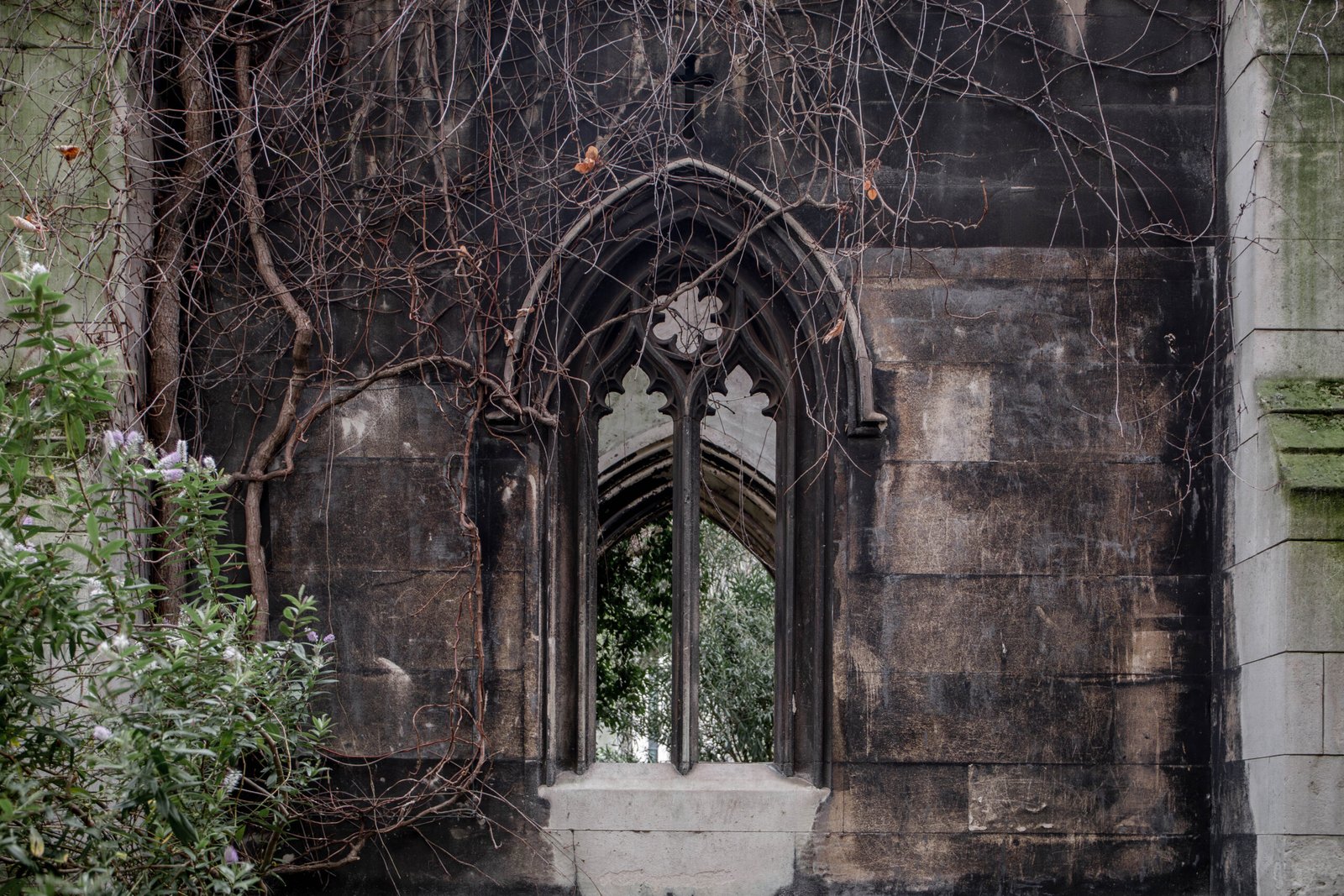
While tourists aren’t allowed inside the temples, the outer architecture is incredible. Moss-covered gates, stone guardian statues, and thick jungle vines wrapping around everything. It feels like stepping into a real-life jungle temple from an adventure movie.
I spent ages just walking the forest trails. There are shady paths, elevated wooden walkways, hidden statues, and even a small river with stone bridges. My favorite part? The Dragon Bridge. Covered in moss and guarded by naga serpent statues, it’s probably the most photogenic spot in the whole sanctuary.
Save
Save
Save
Monkey Watching = Free Entertainment
Honestly, I could’ve sat on a bench for hours just people-watching… or rather, monkey-watching.
There was a baby clinging to its mom as she casually walked right past a line of tourists. Another troop got into a loud squabble over a banana peel someone left behind (please don’t feed them, by the way). And then there was a dramatic scene involving a monkey, a stolen sunglasses case, and one very annoyed tourist. The monkey won.
What struck me most was how normalall of this felt for the macaques. This is their forest. They’re not tame or trained, they’re just living their lives. It’s kind of amazing to witness that so up close.
Is It Ethical?
Yes, and no. The Ubud Monkey Forest is actually managed by a local community organization that does conservation and research, and the macaques here aren’t kept in cages or controlled. But they’re still surrounded by tourists daily.
So while it’s not a zoo, it’s not completely wild either. The key is to visit responsibly. Don’t feed the monkeys. Don’t try to touch or provoke them. Don’t treat it like a circus. You’re walking through sacred ground, both culturally and ecologically.
How Long Should You Spend There?
I stayed for almost 3 hours, just wandering and taking photos. But you could easily do it in 1–2 hours if you’re on a tighter schedule. It’s a great half-day trip if you’re staying in Ubud, and it pairs nicely with other cultural spots like Tegallalang Rice Terraces or the Ubud Palace.
<link to article “Top Things to Do in Ubud”>
Save
Final Thoughts
I’ll be honest, this wasn’t something I thought I’d enjoy as much as I did. I’m usually all about remote beaches, waterfalls, and diving spots. But the Monkey Forest caught me off guard in the best way. If you’re in Ubud, don’t skip it.
Just… leave your snacks at home.
Save
Save
Save
Save
Ethical Travel Tip: Don’t Feed or Tease the Monkeys (Even if It’s “Just for Fun”)
Watching monkeys leap through the treetops, play-chase their siblings, or snack on fruit is one of the highlights of visiting the Ubud Monkey Forest. But it’s also a space where human behavior matters just as much as the wildlife.
Unfortunately, not all tourists respect the monkeys’ boundaries. Some try to lure them with snacks, hide fruit in their bags for that “perfect selfie,” or worst of all, intentionally provoke them for a reaction.
Save
Why Skip It?
Feeding monkeys encourages aggressive behavior and dependency on tourists.
Many foods given by visitors (like chips or sweet fruit) aren’t healthy for their digestion.
Teasing or baiting monkeys can result in bites or scratches—and yes, they can carry diseases.
It contributes to the misconception that wild animals exist for human entertainment.
Save
Better Alternatives at the Monkey Forest
Observe Respectfully, Don’t Intervene
Watch how the macaques interact with each other. They groom, play, fight, and cuddle—no performance needed.
Keep your distance and let them come to you if they’re curious (they often are).
Capture the Moment Without Changing It
Bring your camera or phone, but skip the selfies or flash photo come when you’re simply still, watching.
Pro tip: monkeys are just as likely to be photogenic when climb they are when they hop on someone’s backpack.
Connect Mindfully With the Setting
This isn’t just a monkey park—it’s a sacred temple complex an moment to sit and soak in the forest sounds. You’ll often find t trails and mossy stone corners.
Pro Tip: The more respectful and calm you are, the more likely y behavior without drama. Avoid being loud, flashy, or overly reactive.
Save
What to Expect (and What Not to Do)
Here’s a quick breakdown based on my visit:
What to Do
Bring a camera (but keep your strap short!)
Walk slowly and observe—there’s so much going on
Explore the forest trails beyond the main entrance
Buy your ticket at the gate (no need to book ahead)
Visit earlier in the morning or later in the afternoon to avoid peak crowds
What Not to Do
Don’t bring food, plastic bags, or shiny accessories
Don’t try to pet the monkeys (seriously)
Don’t scream or make sudden movements if one jumps near you, they usually move on quickly
Don’t forget it’s a temple area, dress respectfully
Map of Ubud Monkey Forest & Nearby Spots
(Add an embedded or downloadable Google Map with pins for Sacred Monkey Forest Sanctuary, Ubud Palace, Saraswati Temple, Campuhan Ridge Walk, and nearby cafés like Clear Café or Milk & Madu.)
Save
Location:
Central Ubud, Bali — a lush cultural town nestled among rice terraces and jungle landscapes, known for temples, traditional crafts, yoga retreats, and yes, hundreds of cheeky macaques.
How to Reach the Ubud Monkey Forest:
From Ngurah Rai International Airport (Denpasar): The drive to Ubud takes around 1.5 to 2 hours, depending on traffic.
By Taxi or Private Transfer: Grab and Gojek are available, but booking a private driver offers comfort and flexibility for day trips.
By Shuttle Bus: Perama Tour and Kura-Kura Bus operate routes between Denpasar, Seminyak, Sanur, and Ubud.
By Scooter: Scooter rentals in Bali cost around 70–100k IDR/day. Ubud’s roads are narrow but scenic—ideal for confident riders.
Best Time to Visit:
May to September: Dry season — sunny skies and comfortable temperatures make this the best time to walk the shaded paths of the Monkey Forest.
October & November: Shoulder months — fewer crowds, but with occasional light rain in the afternoons.
Low Season:
December to March: Rainy season — the forest gets misty and magical, but paths can be slippery. Morning visits are best before the daily showers begin.
Ideal Duration:
You’ll need 1–2 hours to walk through the Sacred Monkey Forest, with extra time for slow photography, or exploring nearby temples and cafés.
Hidden Gems for Photographers:
Dragon Bridge:This moss-covered stone bridge looks straight out of a fantasy movie,especially when fog rolls in.
Temple Pavilions & Statues: Carved stone guardians, banyan roots, and mossy shrines offer inc atmosphere.
Monkeys at Golden Hour: Visit between 8–9 AM or 4–5 PM to catch soft light filtering thro wildlife shots.
Top Nature + Cultural Experiences Around the Forest:
Campuhan Ridge Walk: A peaceful, scenic trail just 10 minutes from the Monkey Forest.Great for sunrise or sunset walks.
Ubud Palace & Saraswati Temple:Just a short walk from the forest — stop by to admire Balinese architecture and lotus ponds.
Tegenungan Waterfall (30 mins away):Add this to your day trip if you want a bit of nature and a swim after your forest stroll.
Wellness & Slow Travel Options Nearby:
Balinese Massage or Spa Experience: Try Jaens Spa, Karsa Spa, or Taksu Spa for post-walk relaxation in jungle settings.
Yoga & Sound Healing: Studios like The Yoga Barn or Radiantly Alive offer drop-in classes near the Monkey Forest.
Ubud Art Market: A few minutes away on foot — great for picking up batik fabrics, handmade bags, and wood carvings.
Pro Travel Tips for the Monkey Forest:
Don’t bring food or plastic bags:Monkeys have no chill when they see snacks — keep your bags zipped and hands empty.
Hold onto your sunglasses, hats & phones: These clever macaques are professional thieves. If it dangles or glints, it’s fair game.
Wear proper shoes:The paths are stone and mossy — sandals are okay, but grippy soles are better.
Avoid eye contact and sudden movements:Monkeys may see direct eye contact as a challenge. Stay calm and respectful.
Photography Tip:Use a zoom lens to capture close-ups without getting too close. The best photos are the candid ones.
Wash your hands afterward: There are facilities near the exit — a good idea after touching rails or benches.
Support ethical tourism:Don’t engage in selfie baiting or feeding monkeys for fun. Respect their space and natural behavior.
Bonus Tip:
Pair your visit with lunch at a nearby jungle café like Clear Café or Milk & Madu Ubud. You’ll be back in the human world… but probably still checking your backpack to make sure a monkey didn’t swipe something.
Hi, I’m Nitisha. I grew up in a world that told me to follow the script, but somewhere along the way I traded the script for a compass. These days, I follow where my feet and heart lead, from sleepy towns to saltwater coves, capturing stories that feel like home even when I’m far from it.