The morning sun was already climbing when I set off from Sanur, a light breeze rustling through the coconut palms that lined the road. My scooter hummed along the narrow coastal lanes, winding past roadside temples, sleepy warungs, and the occasional glimpse of the sea glittering between the trees. Somewhere beyond the shoreline, hidden away from Bali’s well-worn tourist trail, lay Bali Festival Park, a place that once promised to be the island’s grandest amusement destination, but now stood as a ghost of its former self.
For weeks, I had heard it described in whispers among other travelers. “It’s like walking into a forgotten world,” one had told me over coffee in Seminyak, her eyes lighting up at the memory. “You’ll feel like you shouldn’t be there, but that’s what makes it unforgettable.”
Download Your Free
SOLO
TRAVEL
Complete Guide
Save
I had no tour group to follow this time. No guide with a flag or a megaphone. Just a folded map saved to my phone, a bottle of water, and that same stubborn curiosity that’s taken me to so many strange and wonderful places.
The ride was uneventful, until I turned down a narrow road toward Padanggalak. The traffic thinned to almost nothing, replaced by stretches of empty field, the hum of cicadas, and the occasional lazy dog sprawled in the shade. The salty breeze mixed with the scent of dust and grass. And then, through the tangle of vines and crumbling paint, the gates came into view. The name “Bali Festival Park” was barely legible, its once-vivid colours now ghosted across the grey concrete.
I cut the scooter’s engine, and the silence rushed in. No ticket booth, no cheerful music, no voices to welcome you. Only the faint rustle of leaves overhead and the rhythmic crunch of my own footsteps over gravel and dried leaves
Hi, I’m Nitisha. I grew up in a world that told me to follow the script, but somewhere along the way I traded the script for a compass. These days, I follow where my feet and heart lead, from sleepy towns to saltwater coves, capturing stories that feel like home even when I’m far from it.
Download Your Free
Solo Travel Guide now!
Complete Guide
The
Rewild
Manifesto
Complete Guide
Popular post
Save
8 Essential Wedding Moments to Capture
Save
8 Essential Wedding Moments to Capture
Save
8 Essential Wedding Moments to Capture
Shop Your
Lightroom Presets Here!
Save
Save
Save
Save
Save
Save
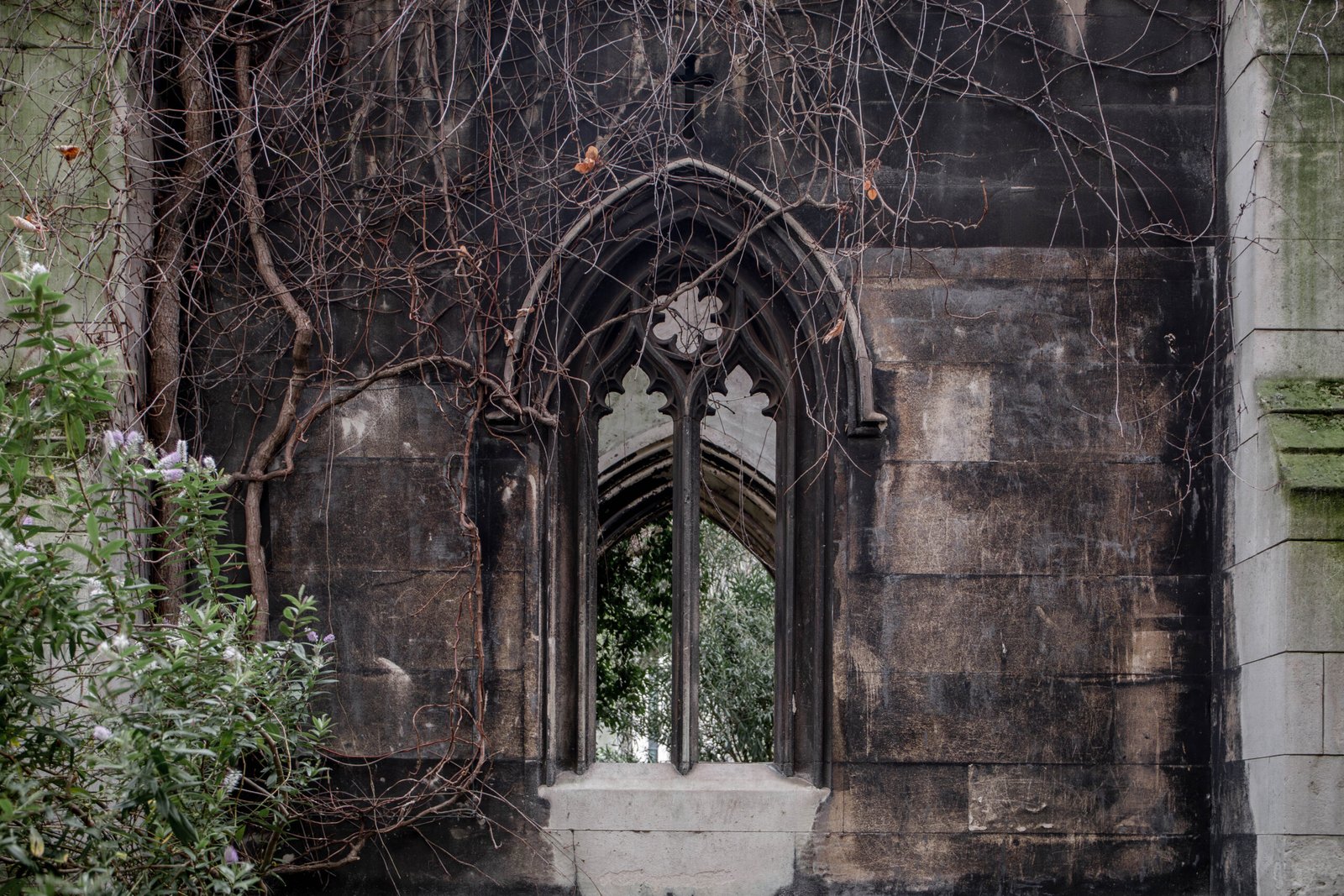
The main gate stood ajar, tilted on its hinges, as if inviting me in, or perhaps daring me to cross the threshold. In 1997, this place had been launched with dreams of grandeur: a sprawling entertainment complex meant to rival Asia’s best theme parks. But just a year later, the Asian financial crisis struck. The crowds never came. The park closed, its promises left unfulfilled, and the grand vision was left to crumble. Stepping inside felt like walking through a portal to a parallel world. Nature had begun reclaiming the space with patient determination, wrapping its green fingers around every beam, brick, and archway. Towering trees sprouted where fountains once sparkled. Roots split apart the tiled floors. Ferns and vines dangled from crumbling rooftops, and here and there, spray-painted murals stretched boldly across walls, defiant splashes of colour in a place otherwise surrendered to decay.
I followed a cracked path deeper into the park. The air was heavy with the scent of damp moss and warm earth. Every corner felt like the turning of a page in a mystery novel, the kind where the protagonist knows something significant happened here long ago, but the clues are hidden in the overgrowth
Save
Save
Save
To my left, an empty amphitheatre yawned open. Its rows of seats were worn smooth by time and weather. I paused on the steps, imagining families gathered here under the open sky, clapping for performers whose names no one remembers now. Today, only the wind played through the space, whistling softly between the pillars.
Further along, I came to the skeletal remains of what might once have been a café. The tiled floor was littered with shards of broken glass, curled leaves, and the shells of small snails. But one wall still held a mural of a Balinese dancer, her painted fingers poised in a graceful mudra. Her eyes locked with mine, unblinking, frozen in a moment that had outlived the building around her.
There’s a peculiar thrill to exploring a place alone. Every sound is sharper. The creak of wood, the faint drip of water somewhere unseen. It isn’t fear exactly, more a heightened awareness, the feeling that you are stepping through someone else’s memories without permission.
The heart of the park was a vast open courtyard, and here the street art truly came alive. Entire walls had been transformed into canvases. Dragons curled in mid-flight, their scales rendered in layers of neon paint. Abstract shapes collided in bursts of turquoise, fuchsia, and gold. Faces emerged from the concrete, their expressions startlingly human. Some joyful, others weary, as if Tthey, too, had been waiting years for someone to walk by.
Save
I spent nearly an hour here, camera in hand, moving slowly from wall to wall. The light shifted constantly, as the soft beams slipped through gaps in the roof, catching on dust motes, and bounced off patches of moss. In one corner, a lizard froze mid-step on a mural’s edge, and in another, the jagged shadow of a collapsed arch framed a spray-painted phoenix rising from the rubble.
At the far end of the courtyard stood a pagoda-like tower, its tiers weathered and paint flaking in strips. The narrow staircase groaned under my weight as I climbed, my hand brushing over the rough, sun-warmed surface of the rail.
From the top, the view opened wide: the winding paths below, the skeletal remains of buildings, the green canopy slowly swallowing it all. Beyond the treetops, the faint blue shimmer of the ocean stretched toward the horizon. It was easy to see why this spot had been chosen. Close to the coast, yet surrounded by open land that could hold an empire of attractions.
Descending again, I wandered toward what must have been the main performance stage. The wooden boards were warped and cracked, but the space still felt like a place where something might happen, where music might start, where voices might rise. I stood there imagining the hum of a crowd, the scent of satay drifting through the air, the high-pitched laughter of children running past with sticky fingers.
Save
Save
Save
Save
Despite the solitude, I wasn’t truly alone. Small groups of local teenagers drifted in and out of the park, skateboards tucked under their arms. A pair of photographers carried tripods past me, exchanging a nod of acknowledgement. Once, I spotted a ginger cat slipping between two broken pillars, tail high, as if the place belonged entirely to him.
There was an unspoken camaraderie among us, the scattered souls who wandered this forgotten park. None of us spoke much, but we were all here for the same reason. Curiosity, inspiration, or perhaps just the quiet satisfaction of standing in a place that time had almost erased.
By midday, the sun was high and the shadows had shortened. I made my way back toward the entrance, following a different route that led me past more murals and half-collapsed corridors. One wall bore the words “Everything Ends, Everything Begins” in looping script, a reminder that decay and creation are often two sides of the same coin.
Save
Outside the gates, the world resumed its usual pace. Motorbikes roared past, vendors called out their offerings, the salt-tinged wind carried the scent of the sea. I glanced back once before starting my scooter. The gates, still ajar, framed a slice of jungle-green and painted concrete, a place suspended between memory and reinvention.
Bali Festival Park was meant to be a monument to entertainment, a symbol of progress and prosperity. It failed in that mission. But in its abandonment, it has found a strange second life: not as a theme park, but as a living gallery, a playground for street artists, skaters, dreamers, and wanderers like me.
It’s not on the standard itinerary. There are no brochures, no tour buses. You have to find it yourself, to push open the gate and step inside. And when you do, you’ll understand what those whispers meant. It is like walking into a forgotten world. But if you take your time, you’ll see that it’s also a world remade, not polished or packaged, but raw, imperfect, and entirely its own.
Save
Ethical Travel Tip: Respect the Ruins & Local Community
Bali Festival Park may be abandoned, but it’s not a playground. Avoid climbing on unstable structures, taking anything from the site, or leaving trash behind. If you see locals using the space for skateboarding, photography, or gathering, be mindful of their privacy. Wear sturdy shoes, move slowly on cracked floors, and remember, this is a part of Bali’s history, not just an Instagram backdrop.
Map of Bali Festival Park’s Key Areas
(Add an embedded Google Map with pins for: Main Gate & Entrance, Street Art Courtyard, Amphitheatre, Pagoda Tower, Performance Stage, and Padanggalak Beach nearby.)
Save
Location:
Padanggalak, north of Sanur on Bali’s southeast coast. The park sits inland from the beach, surrounded by quiet fields and small village roads.
How to reach Bali Festival Park
From Sanur: 10–15 minutes by scooter or car via Jalan By Pass Ngurah Rai, then turning toward Padanggalak.
From Ubud: 45–60 minutes by scooter or taxi; follow routes toward Sanur, then detour to Padanggalak.
Public Transport: Minimal in this area — self-drive scooter or a private driver is recommended.
Best Time to Visit:
Early Morning (7–9am): Cooler temperatures, soft light for photography, and fewer people.
Late Afternoon (4–5:30pm): Golden-hour glow on the graffiti walls and long shadows for dramatic shots. Avoid after dark — there’s no lighting.
Ideal Visit Duration:
1–2 hours is enough to explore the main areas, photograph the murals, and wander the overgrown paths. Combine with nearby Padanggalak Beach for a half-day trip.
Highlights for Photographers & Urban Explorers:
Street Art Courtyard: Vivid murals of dragons, abstract shapes, and Balinese dancers set against mossy walls.
Amphitheatre: Rows of crumbling seats with open sky above — perfect for moody, cinematic frames.
Pagoda Tower: Climb (carefully) for panoramic views over the park and glimpses of the coastline.
Performance Stage: Weathered wood and rusting beams tell stories of a never-lived dream.
NearBy Stops to Pair With Your Visit :
Padanggalak Beach: Wide, black-sand stretch with traditional fishing boats — a short walk or ride away.
Sanur’s Sunrise Coast: Perfect for a seaside breakfast after your morning explore.
Le Mayeur Museum: Small but rich in Balinese art and history, located in Sanur.
Pro Travel Tips:
Footwear: Wear closed shoes — broken tiles, glass, and uneven flooring are common.
Respect the Art: Many murals are done by local and visiting artists. Avoid touching or defacing them.
Weather Watch: In rainy season, paths can be slippery and overgrown vegetation may hide hazards.
Photography Gear: A wide-angle lens captures the grandeur of the ruins, while a 50mm is perfect for mural details.
Hydration: No shops inside — bring your own water, especially on hot days.
Safety First: Some structures are unstable; avoid climbing on rooftops or weakened beams.
Bonus Tip:
Chat with local photographers or skaters you meet here — many know the park’s hidden corners and best photo angles, and their stories add a personal layer to the experience.
Hi, I’m Nitisha. I grew up in a world that told me to follow the script, but somewhere along the way I traded the script for a compass. These days, I follow where my feet and heart lead, from sleepy towns to saltwater coves, capturing stories that feel like home even when I’m far from it.